
Standard vs Upgraded Vehicle by Route: Bali Driver Tour
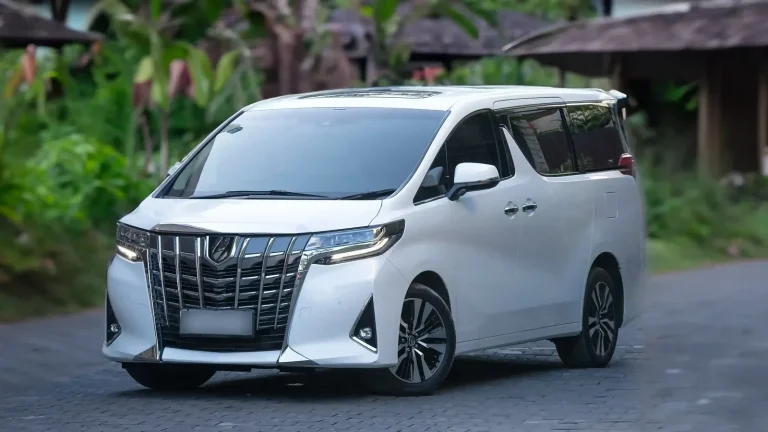
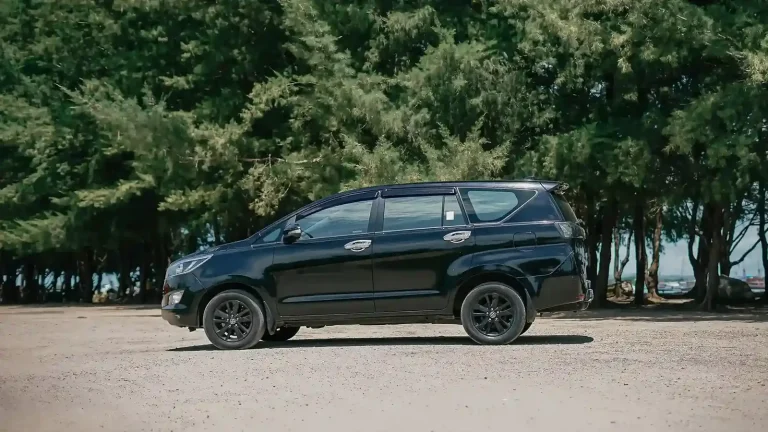
The route, not the badge on the car, decides whether a vehicle upgrade pays off in Bali. Ubud and Uluwatu days keep you in the seat under three hours, so a standard car is fine. East and North Bali routes hold you there five to seven hours — that is where an Innova-class or premium van earns its keep.
Lay the vehicle question over a map and it mostly answers itself. From the Seminyak–Canggu belt, the island’s most-booked driver days split into two families: short-radius loops where the car is a shuttle between stops, and long-haul routes where the car is where you actually spend the day. The first family barely notices what you are riding in. The second family feels every seat contour, every degree of air conditioning, and every switchback above Munduk. This guide walks the four core routes — Ubud, Uluwatu, East Bali, North Bali — and calls the upgrade decision for each, with one dated budget row as supporting context near the end.
Why Does the Route Decide the Vehicle, Not the Other Way Around?
A standard car and a captain-chair van both reach Tirta Gangga. The difference only shows up on hour five. Bali charter days are measured in hours and kilometres, but comfort is measured in time-in-seat — and time-in-seat is a property of the route, not the vehicle.
Road character matters as much as distance. South Bali is flat and close together; the drives are short hops between clifftops and beach clubs. East Bali strings long coastal stretches onto foothill climbs and starts before sunrise. North Bali crosses the central mountains twice in one day. Here is how the four core routes compare:
| Route | Time in the seat | Road character | Verdict |
|---|---|---|---|
| Ubud circuit | ~2.5–3 hours | Short village hops, a stop every 20–40 minutes of driving | Standard car is fine |
| Uluwatu & the south beaches | ~2–2.5 hours | Flat coastal legs, no single drive over about 45 minutes | Standard car is fine |
| East Bali (Lempuyang, Tirta Gangga, Sidemen) | ~5–6 hours | Long coastal stretches, foothill climbs, pre-dawn start | Upgrade recommended |
| North Bali (Munduk, Sekumpul, Lovina) | ~6–7 hours | Two mountain crossings, switchback descents, waterfall stairs | Upgrade strongly recommended |
Which Days Stay Comfortable in a Standard Car?
The Ubud circuit is the textbook shuttle day. Tegalalang’s rice terraces before the 9 AM crowd, Tirta Empul’s purification pools, a coffee farm, lunch above a river valley, then Campuhan Ridge as the light goes gold — you are never driving more than about 40 minutes between stops, and the car’s job is simply to be cool and clean when you climb back in.
The Uluwatu day runs the same way along the Bukit Peninsula: Melasti’s white cliffs, a swim at Padang Padang, the kecak fire dance at Uluwatu Temple at sunset, then grilled fish on the sand at Jimbaran. No leg exceeds about 45 minutes. On both routes, a tidy compact or minivan does the job — put the difference toward a guided terrace walk or a longer table at Jimbaran instead.
Three exceptions push even these short days up a class: parties of six or more (beach bags fill a minivan fast), travelers hauling surfboards or strollers, and anyone planning to sleep between stops after a 3 AM Batur sunrise trek.
Which Routes Reward the Upgrade?
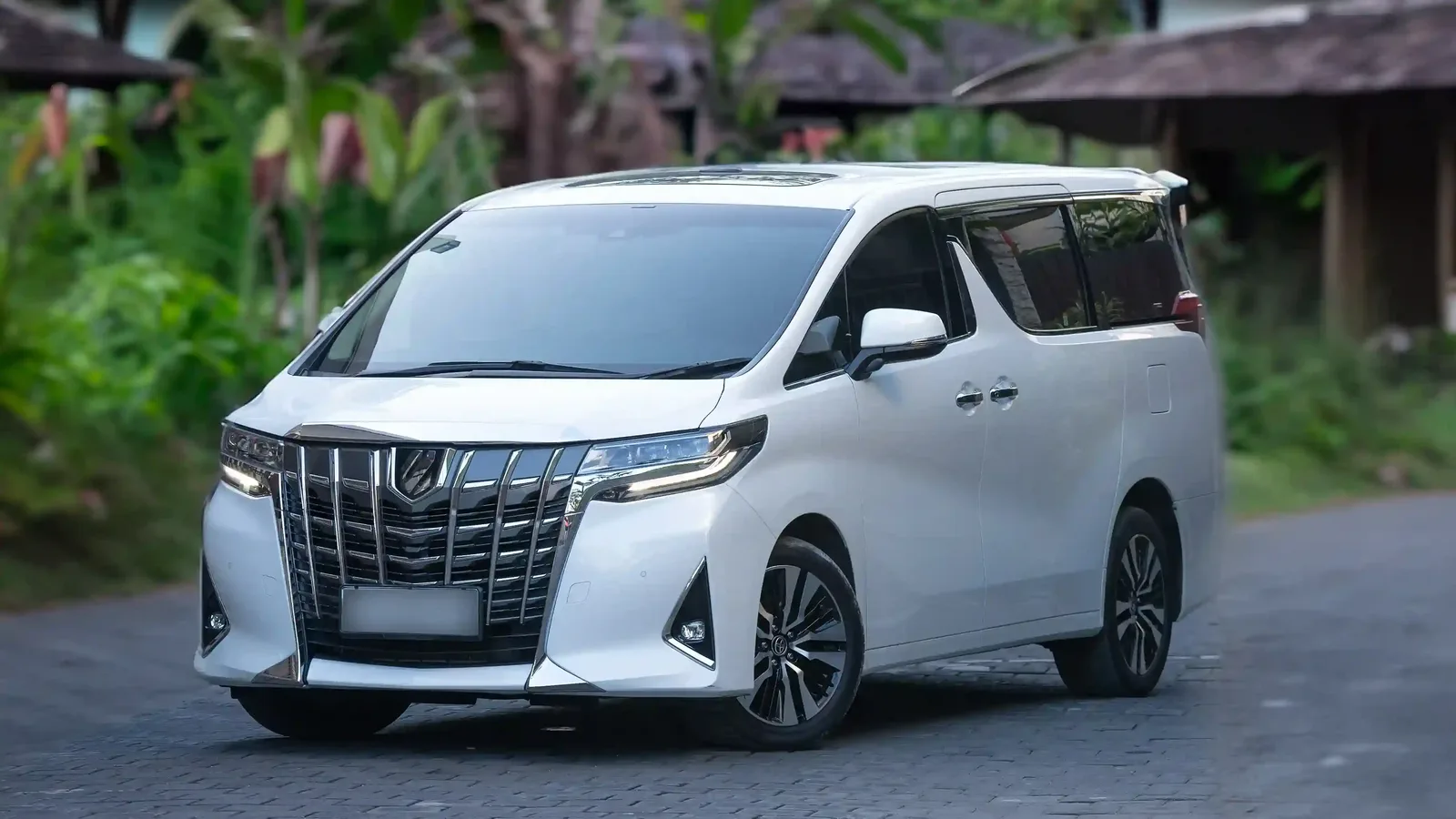
East Bali is the first route where the cabin becomes part of the itinerary — the captain-chair tier we describe on our luxury car driver tour page exists for days shaped exactly like this one. To photograph Lempuyang’s split gates before the queue builds, you leave the south before 6 AM, which means 90 minutes of driving while it is still dark. Then come Tirta Gangga’s stepping-stone pools, Taman Ujung’s water palace near the coast, and a slow return through the Sidemen valley’s rice roads. That is five to six hours of seat time bracketing a long, hot middle, and a reclining seat matters at 5:30 AM and matters again at 4 PM.
North Bali is the clearest upgrade case on the island. The route climbs the central ridge at Bedugul, passes Ulun Danu Beratan temple on its lake, runs the Wanagiri ridgeline above the twin lakes, then drops through hairpins into the Munduk waterfall belt. Add Sekumpul — the island’s tallest falls, reached down several hundred steps — and optionally the black-sand coast at Lovina, and you still have to cross the mountains again to get home. Ten- to twelve-hour days are normal here. A flat floor, individual seats, and strong air conditioning stop being nice-to-haves on the second mountain crossing; they are the difference between arriving home tired and arriving home wrecked.
What Does the Upgrade Add to the Day’s Budget?
One supporting figure covers the planning math. Bali charter days are quoted per car, never per person, and every quote includes the air-conditioned vehicle, driver, fuel, parking, and tolls; entrance tickets, meals, and extra hours sit outside it.
| Supporting figure | Planning band |
|---|---|
| Daily gap between a standard car and an upgraded one, per car | roughly IDR 300,000–500,000 (as of 2026, moves with fuel and demand) |
Read that gap against the route table above, not on its own. Spread across six or seven hours of seat time on an East or North Bali day it is small money; on a two-hour Uluwatu shuttle day it buys little you will actually notice. Long-haul routes to the east and north also carry a distance premium over south-Bali days, so ask for one all-in written quote for your exact route and date rather than assembling figures yourself.
How Do You Build the Day Around the Vehicle You Chose?
If you upgrade for East Bali, use the cabin as part of the plan: depart 5:15–5:30 AM, sleep the first dark stretch, reach Lempuyang around 7:30, take Tirta Gangga mid-morning before the heat peaks, then stretch lunch in Sidemen and doze the ride home. The route is long; the day does not have to feel long.
For North Bali, sequence the loop so Sekumpul’s stairs land mid-morning while your legs are fresh, and let the gentler Munduk falls and the Wanagiri viewpoints fill the afternoon. Treat the van as base camp between waterfalls — dry clothes, water, chargers — and save the Handara Gate photo stop for the return crossing.
If you stay standard on a short-radius day, apply the same logic in reverse: front-load the farthest stop (Tegalalang or Melasti) while the roads are empty, and let the afternoon collapse into shorter and shorter hops toward dinner.
How Do You Decide for Your Group and Route?
A fast decision guide:
- Couple, Ubud or Uluwatu day: standard car. Spend the savings on the experience, not the transport.
- Family on a multi-day circuit: match the vehicle to the longest day on the itinerary, not the average one.
- Any group heading east: Innova-class minimum; step up to a premium van if anyone struggles with early starts or winding roads.
- North Bali waterfall run: the strongest upgrade case in Bali — take the captain chairs if they are available.
- Six or more guests, any route: 8-seat van. Per-car quoting means one bigger vehicle beats splitting into two small ones.
The planning band above is a range as of 2026 and moves with fuel and season. Confirm a fixed written quote for your date and exact route on WhatsApp at 6281139414563 before you book.
Frequently Asked Questions
Which Bali routes are comfortable in a standard car?
The Ubud circuit and the Uluwatu–south beaches day. Both keep total seat time under about three hours with no single leg over roughly 45 minutes, so the car works as a shuttle between stops. Three exceptions push even these days up a class: six or more guests, surfboards or strollers aboard, and anyone planning to sleep between stops after a 3 AM Batur sunrise trek.
Do I need an upgraded vehicle for the North Bali waterfall route?
It is the strongest upgrade case on the island. The Munduk–Sekumpul–Lovina day crosses the central mountains twice, strings switchback descents onto several hundred waterfall steps, and commonly runs 10–12 hours door to door. A flat floor, individual seats, and strong air conditioning earn their keep on the second mountain crossing in a way no short southern day can match.
How early does an East Bali day start, and does the vehicle change that?
Plan to leave southern Bali by 5:15–5:30 AM to reach Lempuyang’s gates around 7:30, before the photo queue builds. The vehicle does not change the departure time — it changes what the dark 90-minute first leg feels like. In a reclining seat you sleep it; in a compact’s back row you simply endure it, then face the same drive again on the way home.
Keep Reading
Planning & Booking
Is a Full-Day Driver Worth It if You Stay in Ubud? (2026)
Yes — but only on the days you leave the center. Central Ubud is walkable end to end, so a…
Vehicles & Getting Around
Villa Inspections & Property Scouting by Car in Bali
Using a Bali private driver for villa inspections and property scouting turns the hunt into a planned route: cluster viewings…
Route Guides
A Multi-Day Bali Itinerary With One Driver: 3–5 Day Routes
One private driver across three to five days is the most efficient way to see Bali. Multi-day charters cluster between…